Why malaria?
Why malaria?
Because no child should die from a mosquito bite. It's the 21st century and yet a child dies every minute from a preventable and treatable disease. Keep scrolling to see why we need to make malaria no more.
Malaria's impact
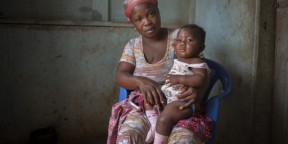
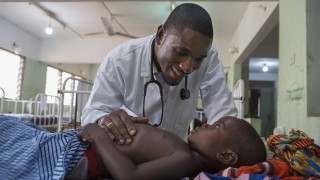
Malaria cripples economies, crushes communities and causes heartbreaking loss. No parent should lose a child from a totally preventable and treatable disease. The majority of deaths from malaria are in children under five.
Malaria keeps children out of school and adults out of work, contributing to the cycle of poverty. It puts unnecessary pressure on fragile health systems and in some countries can account for up to 40% of hospital admissions. The disease arrests economic growth, stealing the prosperity of communities, countries and continents.
Watch this short film by Aardman Animations for the Malaria Must Die campaign to find out more about malaria and why we're working to end it.
Where are we now?
Here's the thing: we've made great progress so far. In fact back in the 1950s the world nearly ended it all together. But like anything, if you take your foot off the pedal for one minute, all the good work you've done can be undone in the next. That's where we're at now.
The 2022 World Malaria Report released by the World Health Organisation showed that after two decades of incredible gains in the fight against malaria, progress is plateauing and COVID-19 has added a formidable challenge to malaria responses worldwide.
But it's not all bad news. With the right tools in the right places, we have the power to change the story. Since we began, you've helped us make a huge impact in the fight against malaria, and we're going to continue to do everything in our power to end malaria for good.